International Moves with an american mindset
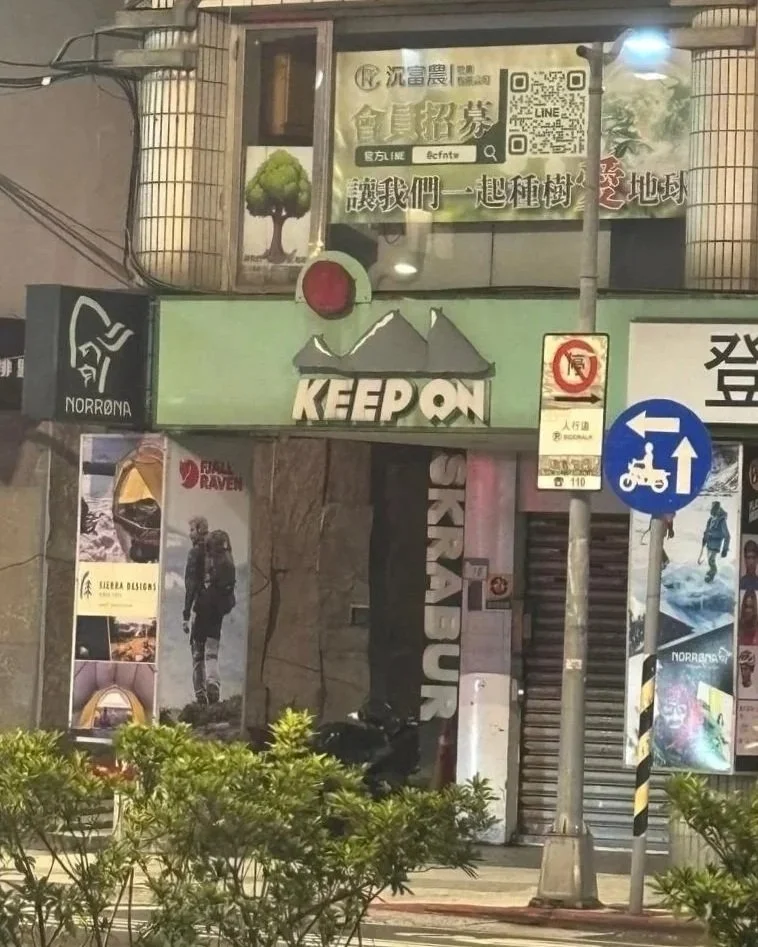
A couple weeks ago I had to admit to myself I did not properly prepare for my move to Taiwan. I don’t mean this in terms of location, finances, or timing. Rather, my mindset wasn’t fully prepared for the amount of flexibility I would have to endure. More embarrassingly, I recognized I am way more influenced by the American tales of hopes and dreams than I’d like to admit. What I assumed would only be a few months of figuring things out in a new place turned into a year.
One year later I am still grappling with a new sense of self. A self that is preceded by my education, (limited) language abilities, and nationality. Prior to the move, these are things I never had at the forefront of my mind because I didn’t need to reference them. They were not core to my identity, nor did I need to refer to them to gain (social) access. Now depending on the group and setting, these factors are a seemingly innate element of how I am perceived.
“You went to a great school, why aren't you a professor?!”
“Are you sure Mandarin is okay? We can switch to English.”
“Why did you come to Taiwan? The United States has better pay.”
To some these questions are merely inquisitive, but when you’re repeatedly met with these scripts you begin to ponder your place in society. Existing as a foreigner has an inherent sense of disconnect with your surroundings. While you might find others from your same country or those who speak your native language, you may not navigate your lives in the same way. Sometimes the person arrived as a student and joined the workforce after graduation. Other times the person is an expat who’s here for a short-period of time before heading elsewhere. Then there are the retirees who spend their time exploring local sites and traveling around the region. On top of that, the presence or absence of local language skills determines how you experience every day interactions from dining out to using public transportation to scheduling a doctor’s appointment.
For me, daily life has been the easiest adjustment. However, the dark shadows of “work” and “productivity” continue to follow me, especially as a recent graduate. This past June I officially launched Uncommon-Endeavors, but that was only after I finally had enough of trying to fit myself into local employment expectations. As a native English-speaking “global talent”, my options are to teach English or find a corporation willing to hire someone with a non-traditional background. Both job options have their pros and cons in terms of salary and working hours, but for me to take on either role I might suffer a significant amount of cognitive dissonance.
Cognitive dissonance may seem like a strong sentiment, yet that’s the best way I can summarize my hesitation to take on this kind of work. Nonetheless, the greater pause stems from my “dream”. I have dreamt of living abroad for more than a decade, and while I knew everything wouldn’t perfectly align, I still naively believed my attitude towards work could translate into a completely different labor context. Long gone are the years of where I found identity in my job title. Now I have honed in on my values and desired work style to lead the way. However, as you can imagine, my progressive concept of work isn’t accepted in most of the world, particularly in Taiwan. Back in the United States I didn’t feel the need to always lead with my education. In contrast, I’ve learned I cannot afford the same luxury of being low-key about my “accomplishments”. Frankly it feels very uncomfortable to sit with and even the few times I have been upfront about my connections they have brought little reward. In many ways it feels like I have to create a persona just to make a living.
Simultaneously, it’s not that I cannot reinvent myself outside of my home country. Rather the new pathway takes significantly more risk, sacrifice, and patience. The competing thoughts of “stick with what you know” against “I want to do something greater” doesn’t become easier to decide. Instead, you have to determine which one matters the most right now. Decisions can no longer be made with intentions of 6+ months ahead, they have to support you within the month or even the week. As a lengthly decision-maker (Ex: I will spend one month deciding on a new pair of headphones after two months of deciding if I actually need a new pair), this new pace has been difficult to adopt. Thankfully I am currently working with a pro bono client that is really forcing me to put things into practice and quicken my decision-making. Without this sharp turning point I probably would still be grappling with my changing sense of self. It’s been a slow grind filled with many mishaps, but hopefully I can end the year on a high note.