
The Right Time
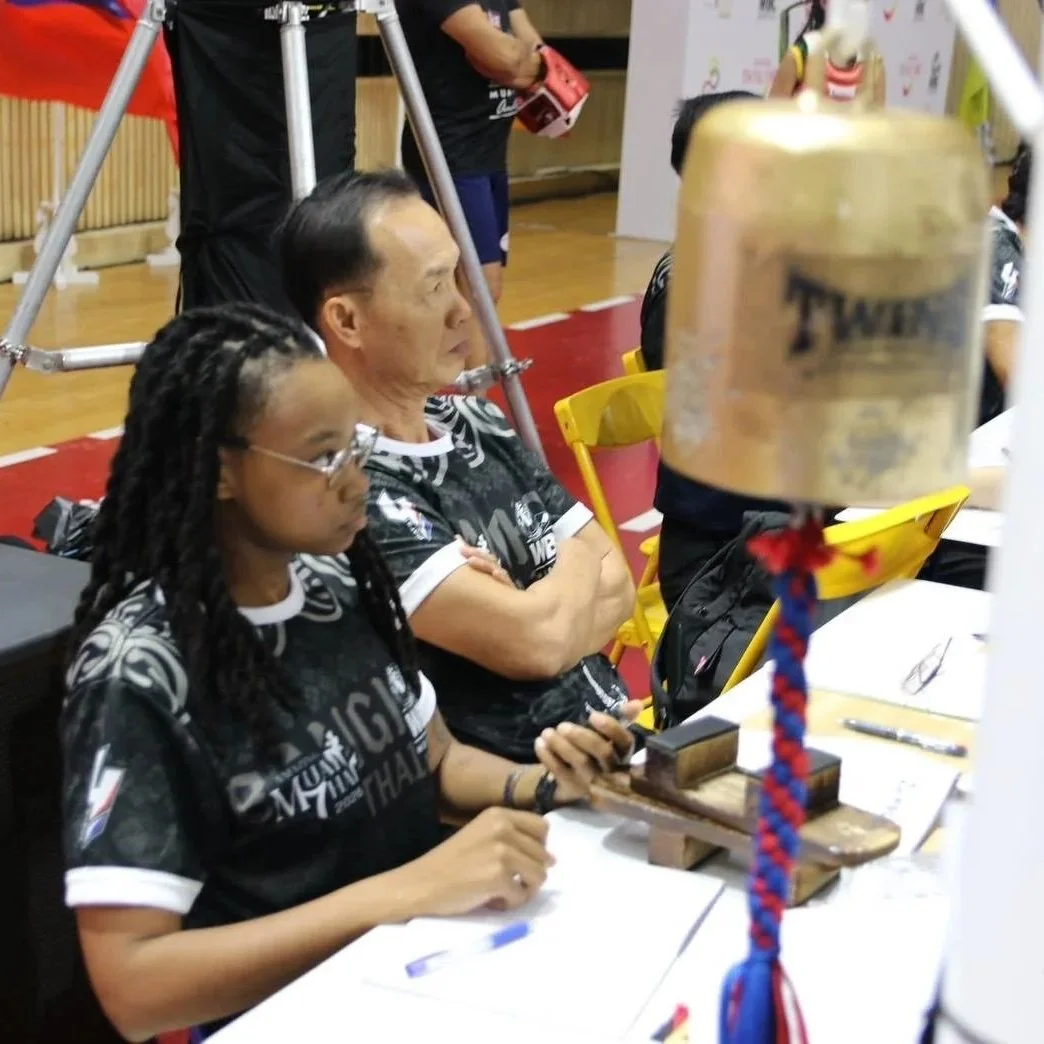
Day 1 of the competition as time keeper
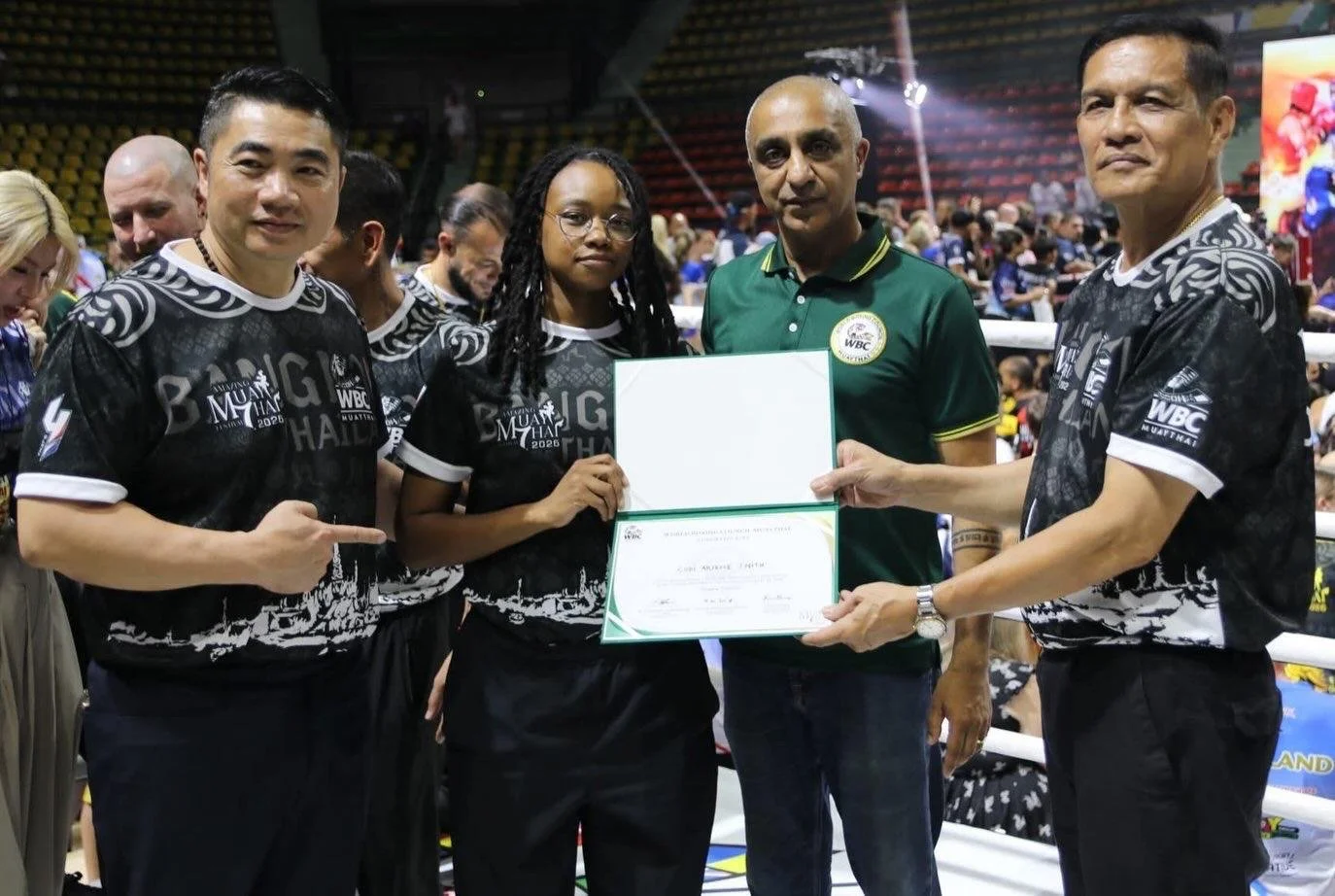
In late June I had the distinct honor of representing Taiwan at the 2026 WBC Amazing Muay Thai Festival in Bangkok, Thailand. Over the course of four days, I served as a ring official completing a variety of tasks including time keeper, judge, and referee. Leading up to the experience I reviewed the official rules for WBC Muay Thai and attended team meetings with other ring officials from around the world. Nevertheless, nothing compared to the live “performance”.
The day before the competition, all ring officials were informed of the daily schedule and placed into their respective team for the week. Each day ran for approximately 8 hours and fights occurred concurrently in six different rings. Since I had the least amount of experience in my group, I quickly asked to take on the role of time keeper. It felt like the least amount of pressure as I didn’t have to make any crucial decisions like scoring the winner or promptly addressing fouls during the fight. In short, I didn’t feel like I could mess up too badly. However, little did I know time keeping didn’t come naturally to everyone! More importantly, each jurisdiction follows different guidelines, particularly between amateur and professional fights, so people often default to the ruleset they’re most familiar with.
The first day went pretty smoothly in my seemingly minor role. So the next day I was surprised to receive props from one of the supporting, seasoned Thai judges. A gentleman who regularly referees professional fights at Rajadamnern Stadium, the oldest Muay Thai stadium in the world, opening in 1945. At the time it felt very straight forward, but upon reflection I realized how in sync the time keeper needed to be with the referee and the presiding supervisor. Something that came naturally as I’m a time conscious person that has also facilitated events with a strict run of show.
Eventually I had to step out of my comfort zone and score fights. It was a daunting feeling knowing I determined who won or lost in a tournament series. Moreover, depending on where you sit, you are near the corner of one opponent. Therefore, you have to block out their comments and general reactions throughout the fight. For example, one coach reacted positively to everything their fighter did, even though in reality they were losing. I certainly was not perfect in this role, and at one point I made a big mistake. Nevertheless, I took the criticism and worked to improve my decision making. Serving as a judge was the epitome of learning how to “lock in”.
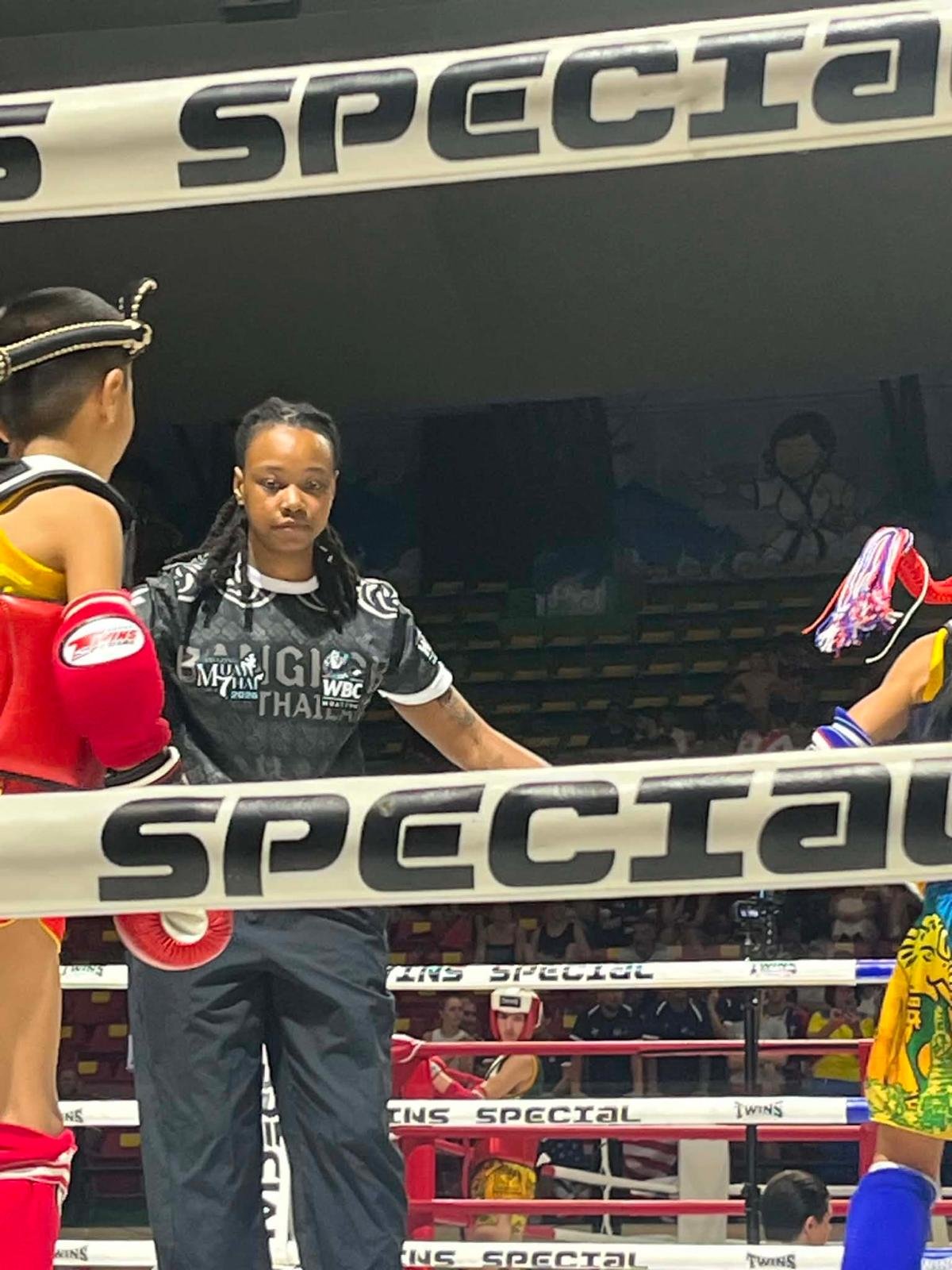
Lastly, I entered the ring as a referee for two fights. Both were for children under the age of 12. Taking on the position for this age group is especially hefty because safety concerns are much higher. For some, youth fights are viewed as more difficult to manage because they have less reservations and kind of throw themselves at each other. On the contrary, I felt very protective of them and made sure my eyes were sharp. Even though I performed decently well, I want to take more time developing this skill. Particularly because youth fights are rather limited and I need to learn how to handle adult competitions.
Since this experience I continue to contemplate how I can find my footing in the sport of Muay Thai. Unlike Thailand where fights are constantly happening around the country, I’m in a place that has significantly less events. Additionally, I need to build my reputation within my local Muay Thai community. In short, this is just the very beginning of this journey. Patience is key, but as a person that likes to move quickly, I’ve had to reckon with the irregularity of competitions. Full disclosure, I’m still struggling with this. Nonetheless, opportunities seem to always find me, which keeps me motivated to continue learning and growing.